Software Project Takeover
For live software whose original developer, agency or vendor is leaving: verify the codebase and operating reality, recover a safe delivery path, and establish accountable ownership.

We step into software another team started — inherited codebases, stalled builds, aging platforms — stabilize it, and keep delivery moving for years. And when you need something new, we design and build it to the same standard: software your team can own.
For teams that need an existing system taken over safely, a product kept moving for the long term — or something new built well from the start.
For live software whose original developer, agency or vendor is leaving: verify the codebase and operating reality, recover a safe delivery path, and establish accountable ownership.
For teams building a SaaS product, business application, client portal or internal platform: architecture, product logic and production delivery shaped as one system from day one.
For established systems that need new capabilities, lower technical risk and a dependable release rhythm — modernize in controlled stages and continue product development without a blind rewrite.
For startups, product teams and established businesses — whether you inherited software that already matters every day, or you're building a new system from zero.

We build the parts that make software operate: authentication, roles, permissions, data, admin workflows, integrations, deployment, monitoring and handover.
Multi-tenant logic, billing, onboarding, dashboards, admin operations and the data model that holds everything together — designed and delivered as one production system.
Customer access, documents, requests, status flows, permissions and the back-of-house admin that operations actually need — connected in one controlled workflow.
Workflows, approvals, reporting, integrations and operational administration — custom business software built around how the company actually runs.
A focused MVP can launch the first real workflow. AI can be added where it improves the product — with security, data, architecture and human review designed for production.
Verified baseline. Controlled first change. A system your team can keep owning.
Four plates from the studio archive — one unfolded, three pinned beside it. Each is a real production system, not a case-study template.

Full-cycle delivery of a multi-tenant creator marketing platform: Java Spring backend, Next.js dashboard, admin console and a provider-synced catalog of 1,200+ services across thirteen platforms.
Read full case
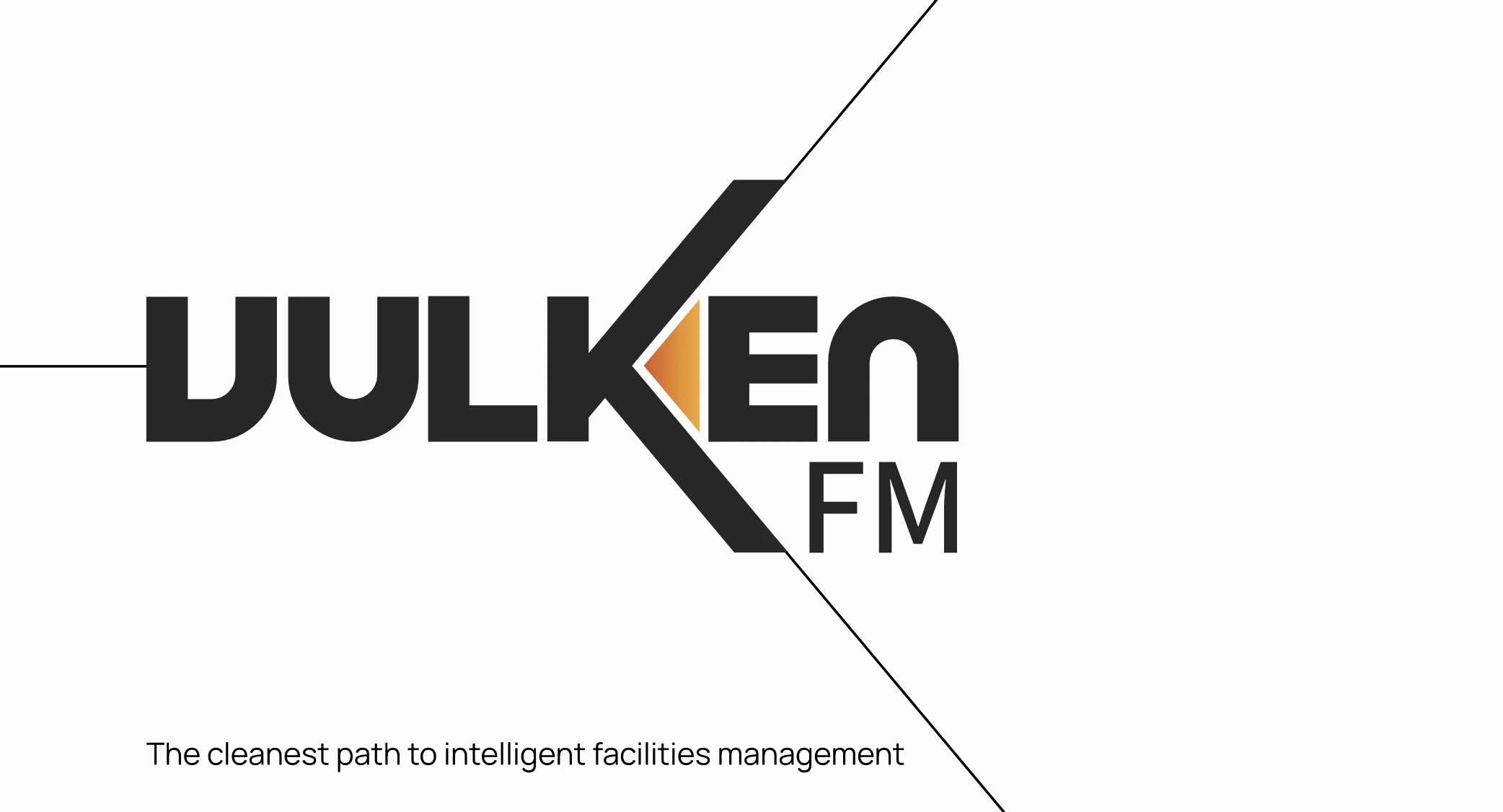
Offline-first inspection platform for facility operations: QR-linked assets, a mobile field app, web admin and structured reporting workflows.
Read case→
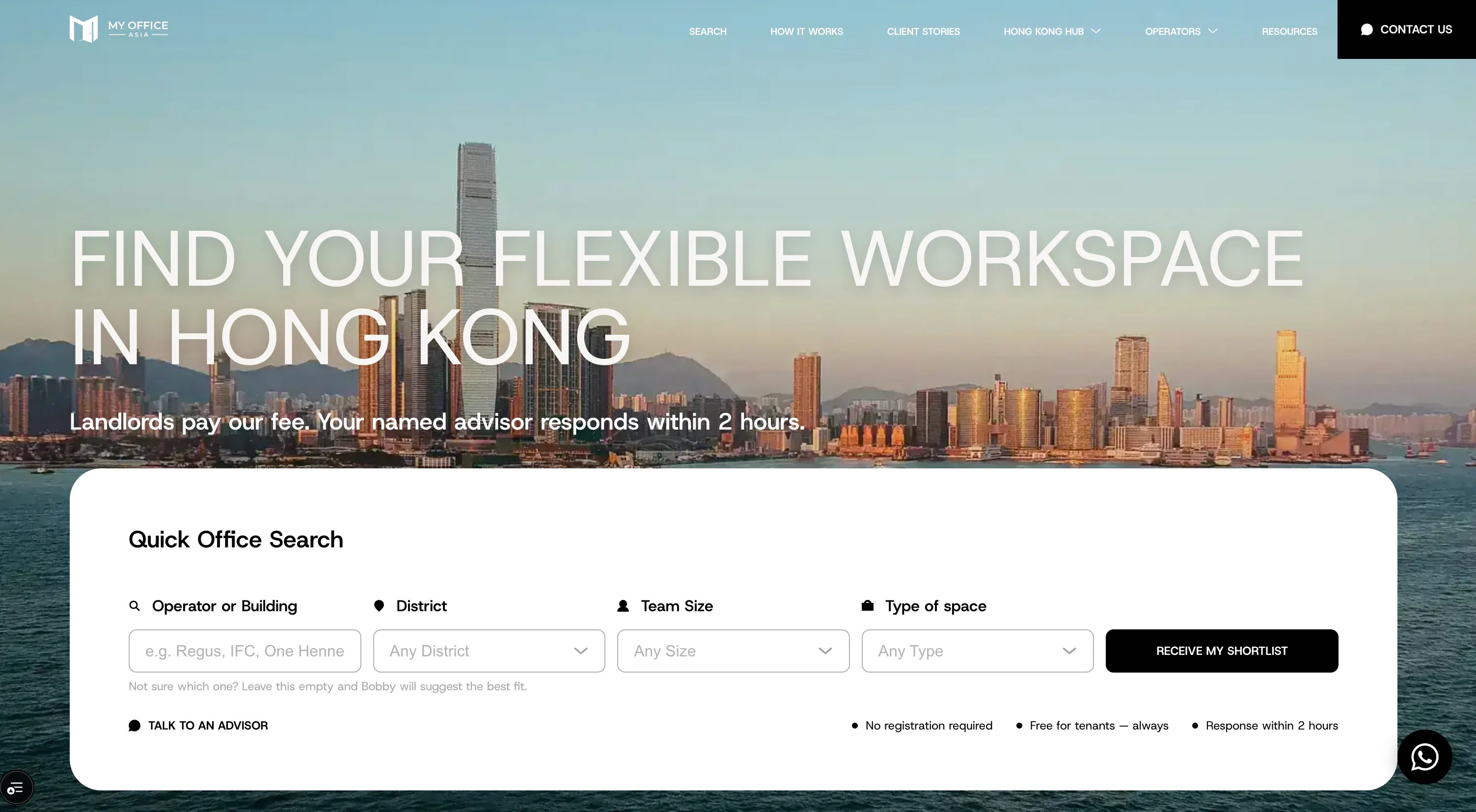
Advisor-led flex-workspace platform for Hong Kong: editorial catalog, listing CMS and a multi-market-ready architecture.
Read case→
SaaS publishing product where stable QR-linked URLs never break: builder, dashboard and managed publishing.
Read case→No vendor lock-in, no hidden account structures, no black-box dependency. We can maintain the product long term, while your team keeps the source, access, documentation and right to move on.
Source code in your GitHub or GitLab organization from day one — never an agency account, never a vendor login. Documented environments, CI/CD, hosting and access run under your accounts — full commit history and the pipeline that ships your code are yours.
Data model, roles, workflows, API contracts and the key architecture decisions are written down — readable by your team or any senior engineer you bring in later.
Setup guide, environment notes, admin logic, technical briefing and a next-step roadmap. New developers can read it once and ship a change — without calling us.
Release notes, incidents, technical decisions, dependencies and recurring maintenance work stay visible — so the next priority is based on evidence rather than memory.
We can support you long term through a retainer or partnership, but the system is built so your team can understand, run and extend it — even if we step away tomorrow.
The right entry depends on whether you are shaping a new product, inheriting an existing one, or building the next phase. Scope follows the actual product and operating risk.
For a new product or a complex existing system that needs its workflows, users, constraints and delivery path clarified before implementation begins.
For teams building a SaaS product, business application, client portal or internal platform with real production requirements.
For existing software that needs a new accountable technical owner, a verified operating baseline and a safe path back into delivery.
For teams that need one accountable partner for feature delivery, modernization, releases, maintenance and technical direction.
Working with H Product Studio was straightforward, reliable, and genuinely pleasant.
I worked with H Product Studio to bring order to the internal processes of my dental clinic. H Product Studio took the time to deeply understand how the clinic actually works, analyzed existing processes, and built a clear, logical structure across our internal systems and workflows. The clinic now operates much more smoothly and operational pressure has decreased.
We came to H Product Studio for a rebuild of our outdated systems — and left with a digital backbone. Most core processes now run through a unified, clean architecture across the company.
The result was not just a website, but a practical digital working environment built around the needs of the practice.
Different projects need different delivery models. We fit when a team needs product thinking, architecture, delivery, infrastructure, documentation and long-term ownership connected in one senior-led studio.
Yes. We build SaaS products, business applications, client portals, internal tools and custom platforms. We start by mapping users, workflows, data and system boundaries, then deliver the first production slice with deployment, monitoring, documentation and ownership built in.
Yes. We first establish ownership, access, architecture, data flows, deployment and recovery facts, then define the smallest safe first release before changing production.
A takeover carries risks that cannot be responsibly priced from a short call. The assessment produces a source and runtime map, prioritized findings and a practical plan for stabilization, modernization or maintenance.
No. A rewrite is a business decision, not a default technical preference. We look for staged ways to reduce risk, replace fragile components and improve delivery while keeping valuable workflows running.
Yes. Long-term maintenance can include planned upkeep, feature delivery, release coordination, infrastructure improvements, technical debt work and living operational documentation.
The strongest fit is business-critical web software: SaaS products, client portals, internal tools and custom operational platforms with real users, integrations, data and an ongoing roadmap.
Yes — this has become one of our most frequent takeovers. We take applications started with AI tools like Cursor, Lovable, Bolt or v0 and give them what production requires: clear architecture, a security review, tests, deployment and maintainable ownership.
Yes. The working model is designed around client-controlled repositories, infrastructure, documentation and recoverable access. If those controls are missing at takeover, restoring them becomes part of the plan.
Support coverage and response commitments are agreed for the actual system and operating needs. We do not advertise a universal 24/7 promise before the dependencies, risks and required on-call model have been assessed.
From an inherited codebase or a new product idea to long-term delivery — we define, build, modernize and operate software your team can truly own.